Advancing Climate Research for Effective Disaster Preparedness
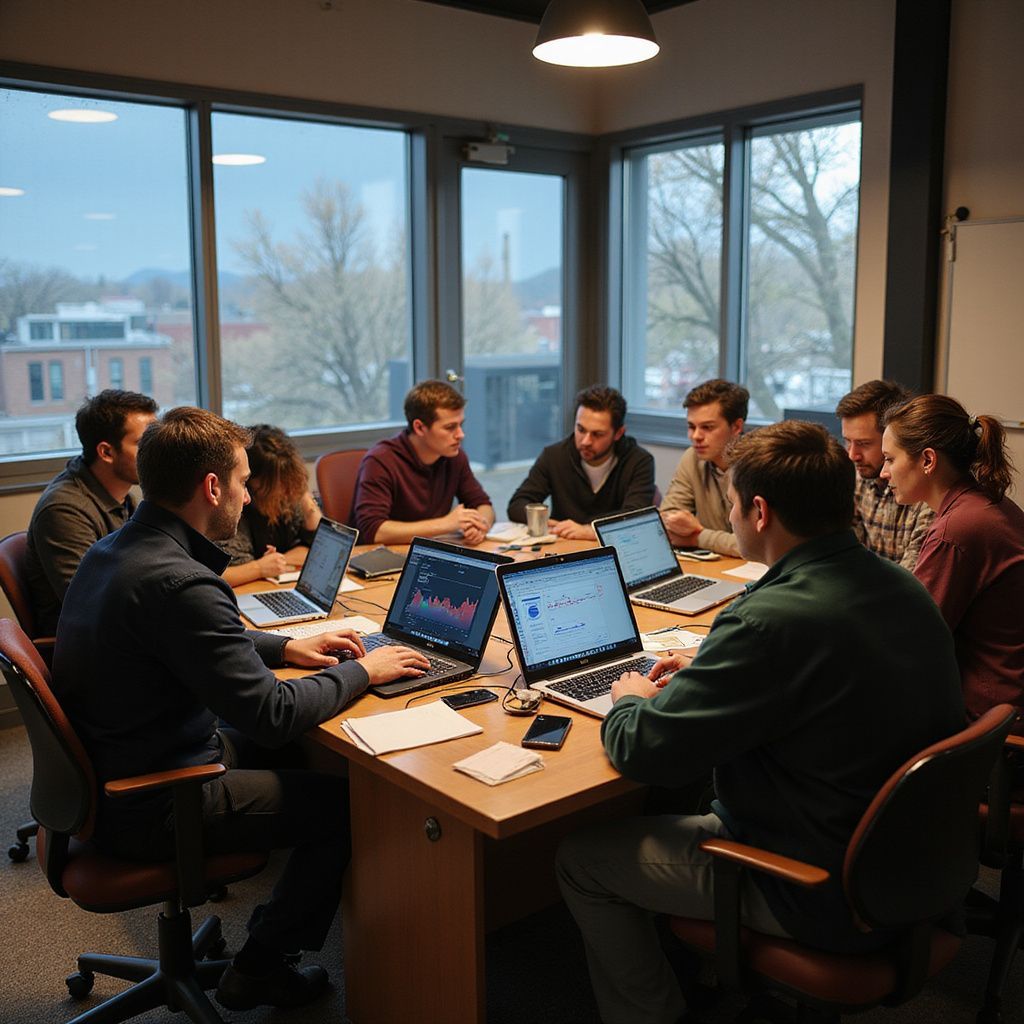
Our initiatives integrate data science and AI to improve forecasting and response strategies for climate-related disasters.
1. Temperature Rise
2. Urbanization
3. Rising Sea Levels
4. Population Growth
5. Climate Refugee Potential

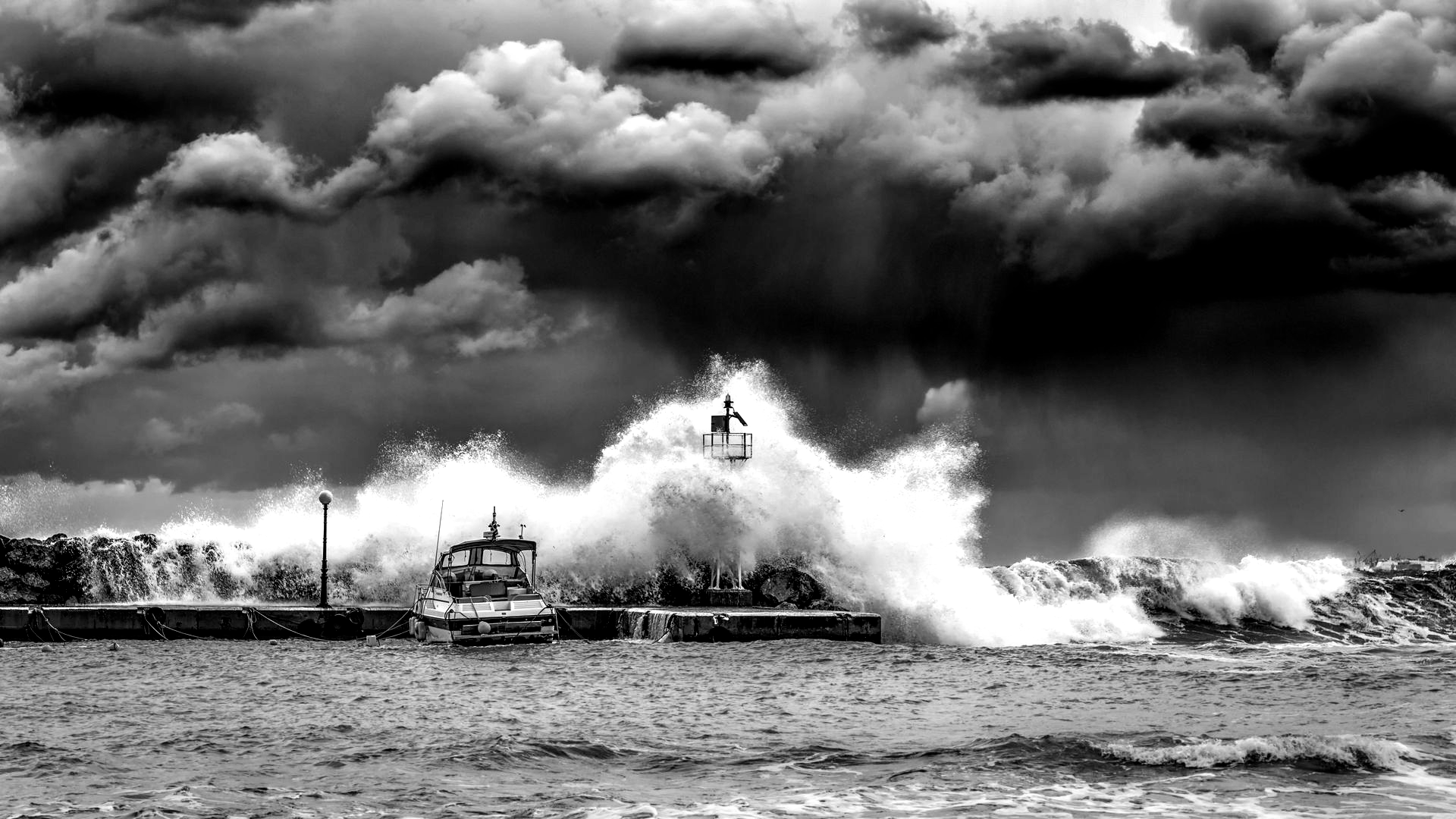
World temp to rise above 1.5ºC as early as 2027

Temps greater than 1.5ºC leads to rising sea levels, acidic oceans, more drought, wildfires, and hurricanes. Higher temperatures also increases the risk for dehydration, heatstroke, hyperthermia, respiratory disease, salmonella, malaria, etc. Also as permafrost thaws, dormant viruses and potential pandemics can result.
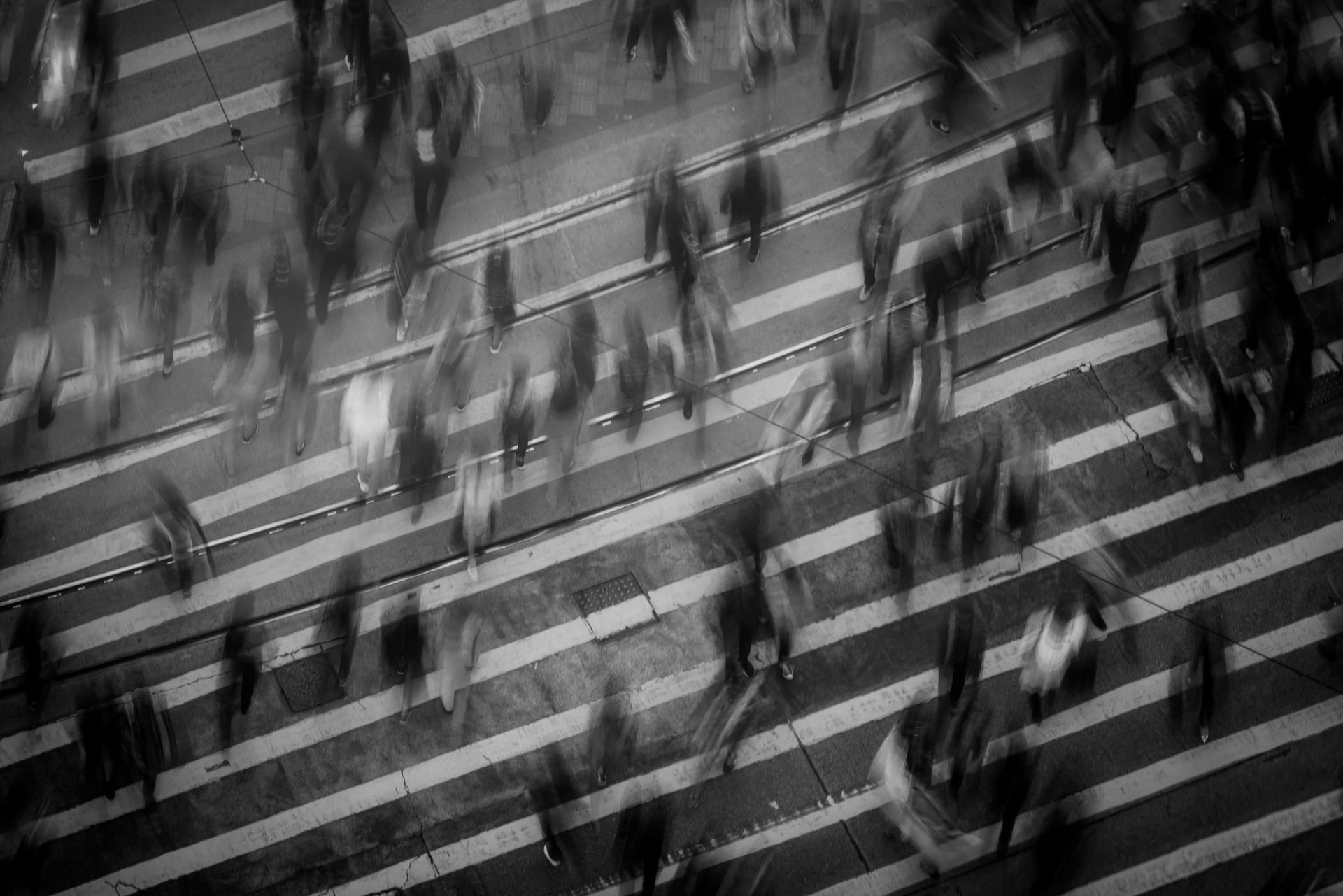
Cities account for 70% of global CO2 emissions

More than 55% of the world population live in cities, and it is projected to increase to 60% by 2030. Jakarta, Delhi, and Beijing are some of the world's most polluted cities, and much of this is due to the unsustainable impacts of transportation and infrastructure over many years.
75% of cities in the world are coastal, 570 of which are at risk.

More than 3.5 billion people live within 100km of a coastline. There is a predicted 10-12 in. of sea level rise by 2050 as a result of water expansion. Furthermore, we have lost 28 trillion tons of ice since the mid-1990s (1.2 trillion tons/year), with Greenland losing 30 million tonnes of ice per hour.
More than 2/3 of the world population will live in urban areas

The world population is projected to hit 8.5 billion by 2030, and 9.7 billion by 2050. As a result of population growth and increased urban density, global CO2 emissions are further projected to increase from 35 to 43 Gigatons by 2030.
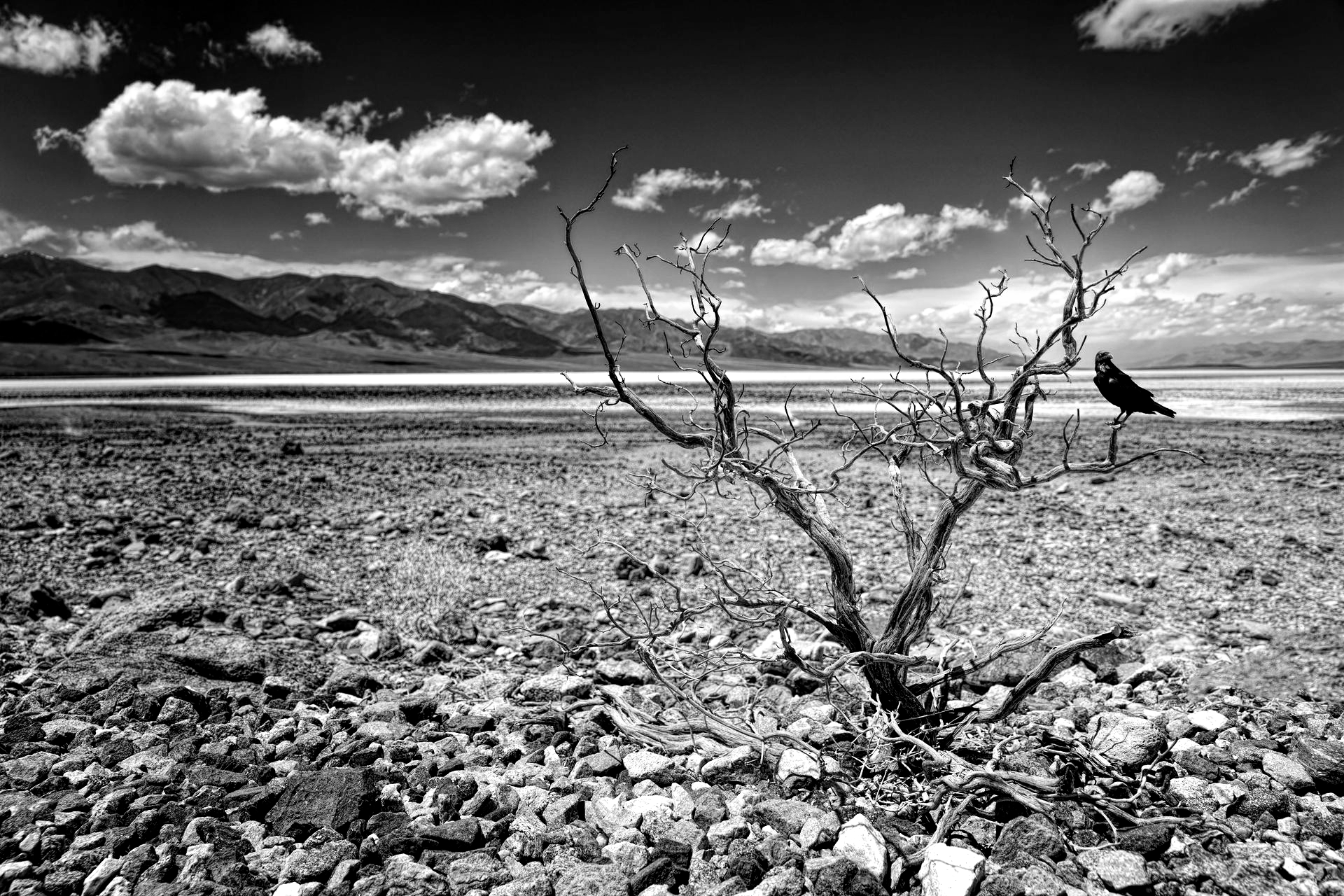
4 billion people are vulnerable to climate change impacts

There have been approximately 20 million displacements per year between 2019 and 2022 due to natural disasters, including forest fires, flooding, as well as high temperatures. This is only going to increase in the future.
Our projects integrate satellite data, historical climate records, and real-time sensor inputs to improve disaster risk forecasting. By combining these data sources, we identify emerging threats and vulnerable regions with greater precision.
We develop AI models that simulate disaster scenarios and optimize early-warning systems. These tools support decision-makers in allocating resources effectively and enhancing community resilience before, during, and after climate events.
Research Initiatives in Climate Risk and AI Modeling
Data-Driven Insights on Climate Risk and Humanitarian Impact
Forecast Accuracy
92%
Global Weather Network
Response Efficiency
35% Reduction
International Relief Alliance
Collaborative Climate Resilience
Strengthening Global Climate Preparedness Through Strategic Partnerships

Driving Innovation in Climate Risk Forecasting Together

Support Our Climate Protection Mission
Research FAQs
What types of climate disasters does your research focus on?

Our research covers a range of climate-related disasters including hurricanes, floods, wildfires, droughts, and extreme weather events to improve forecasting and response strategies.Explore ProjectsHow does AI modeling improve disaster risk forecasting?

AI models analyze vast datasets to identify patterns and predict disaster risks with greater accuracy, enabling earlier warnings and more targeted preparedness measures.See AI in ActionHow do your findings support humanitarian efforts?
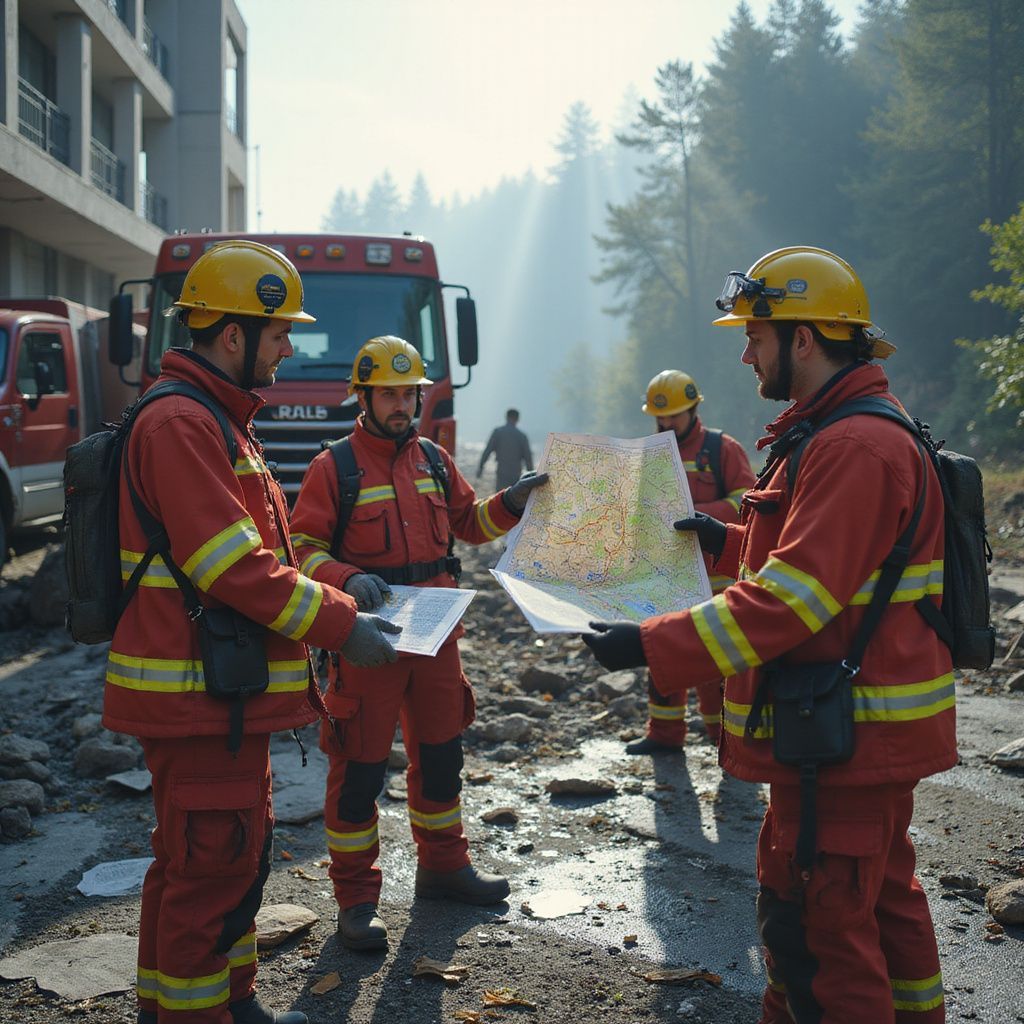
Our data analysis informs relief organizations by pinpointing high-risk areas and optimizing resource allocation, enhancing the effectiveness of disaster response and recovery.View Impact